Clean Up
Keeping Mount Rinjani Clean: A Commitment to a Trash-Free Environment
Mount Rinjani Trekking, the second-highest volcano in Indonesia, is a breathtaking natural wonder that attracts thousands of trekkers and nature enthusiasts each year. Located on Lombok Island, this majestic peak stands at 3,726 meters above sea level and offers mesmerizing views, lush forests, and the stunning Segara Anak crater lake. However, with its popularity comes a significant challenge—maintaining its pristine condition and ensuring it remains free from litter.
The Importance of a Clean Mount Rinjani
Keeping Mount Rinjani Trekking clean is not just about preserving its natural beauty; it is also crucial for environmental sustainability and the well-being of its ecosystems. The mountain is home to diverse flora and fauna, some of which are endemic to the region. The presence of waste can disrupt these ecosystems, harm wildlife, and pollute water sources, affecting both the environment and local communities.
Moreover, a clean and well-maintained trekking route enhances the experience for visitors. Trekkers are more likely to appreciate and respect the mountain when they see it in its unspoiled state. Maintaining cleanliness also ensures that future generations can enjoy the same breathtaking landscapes that we do today.
The Growing Problem of Littering
Despite its natural beauty, Mount Rinjani Trekking has faced increasing problems with waste pollution. With more tourists and trekkers visiting the mountain, the accumulation of plastic bottles, food wrappers, and other non-biodegradable waste has become a pressing issue. Many trekkers, unfortunately, leave their trash behind, either due to negligence or a lack of awareness about the consequences of littering.
Plastic waste is particularly harmful as it takes hundreds of years to decompose. It can also end up in water sources, affecting aquatic life and contaminating drinking water for nearby communities. Additionally, improperly disposed waste attracts animals, altering their natural behavior and making them dependent on human food waste.
Initiatives to Keep Mount Rinjani Trekking Clean
Recognizing the urgent need for action, various initiatives have been implemented to keep Mount Rinjani free from litter. These efforts involve the government, local communities, NGOs, trekking agencies, and individual trekkers.
1. Strict Regulations and Permits
The Indonesian government, through the Mount Rinjani National Park Authority, has introduced strict regulations to control waste management. Trekkers are now required to bring their waste back down with them, and some are even asked to deposit a waste deposit, which is refunded upon proving they have carried their trash out. This policy encourages responsible trekking and discourages littering.
2. Waste Collection Programs
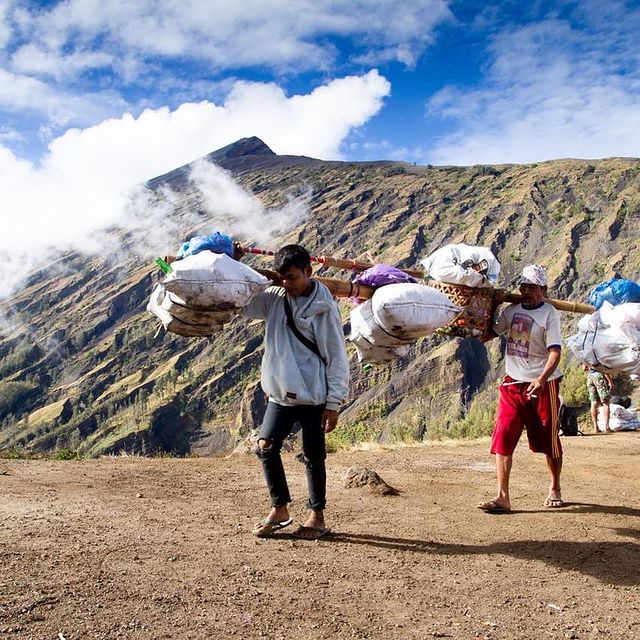
Several NGOs and local organizations have initiated cleanup programs to remove trash from the mountain. Volunteers, including both locals and tourists, participate in organized clean-up treks, collecting and properly disposing of litter found along the trails. Some trekking agencies have also made it a part of their package to collect extra trash during hikes.
3. Eco-Friendly Mount Rinjani Trekking Practices
Many trekking operators have adopted eco-friendly policies, such as providing reusable water bottles, biodegradable food packaging, and designated waste collection bags for trekkers. They also educate trekkers on the importance of keeping the environment clean and encourage them to minimize waste by bringing reusable items.
4. Community Involvement and Education
Local communities play a crucial role in maintaining Mount Rinjani’s cleanliness. Many villagers around the mountain depend on eco-tourism for their livelihoods. By educating them on the long-term benefits of a clean environment, they become active participants in conservation efforts. Schools and community centers regularly hold workshops and campaigns to promote environmental awareness.
How Trekkers Can Contribute Mount Rinjani Trekking Zero Waste?
Every individual who visits Mount Rinjani has a responsibility to protect its natural beauty. Here are some ways trekkers can contribute to keeping the mountain clean:
- Carry Out What You Bring In – Follow the principle of “Leave No Trace.” Pack all your waste and take it back down with you.
- Use Reusable Items – Bring a refillable water bottle, reusable utensils, and eco-friendly toiletries to minimize single-use plastics.
- Follow Designated Trails – Stick to marked paths to avoid damaging vegetation and disturbing wildlife habitats.
- Respect Local Regulations – Abide by the waste management rules set by park authorities and Mount Rinjani Trekking agencies.
- Participate in Clean-Up Initiatives – Join organized clean-up treks or take the initiative to collect trash you find along the way.