History of Lombok Island
History of Lombok Island
Lombok, often promoted as a tranquil tourist destination, boasts a fascinating and diverse history influenced by a blend of cultures and religions. The island’s geographical position between Bali and the more distant regions of eastern Indonesia has shaped it, making it a cultural crossroads.
Early History and Religious Influence
Historically, Lombok was part of the Javanese kingdom before Islam arrived in the region. Before the spread of Islam, Lombok was influenced by Hinduism, particularly the Shiva-Buddhist tradition, which was prominent in Java. In the 17th century, the King of Karangasem (Bali) invaded Lombok, establishing it as an essential center for Hindu-Balinese culture. This connection between Bali and Lombok can still be seen today, especially in the western part of the island.
One of the most notable symbols of this Hindu influence is the Pura Meru Temple in Cakranegara, built-in 1720 by Anak Agung Karang. The temple is dedicated to the Hindu trinity of Brahma, Vishnu, and Shiva. Another example is the Taman Narmada, a garden created in 1727 by Anak Agung Gde Ngurah Karangasem, which served both as a recreational area and a sacred site for Hindu worship.
Despite the strong Hindu presence, Lombok is primarily a Muslim island. Islam spread to Lombok from Java and Sulawesi, with the seafaring Bugis establishing the Selaparang Kingdom on the island in the 17th century. As a result, Lombok has a complex religious makeup, with most Sasak people following a traditional form of Islamic orthodoxy called Tuan Guru. In addition, there are followers of a syncretic belief system called Watu Telu, which blends Islamic practices with elements of Hinduism. One remarkable example of this religious harmony is the Lingsar Temple, where Hindus and Muslims gather to pray.
Ethnic Diversity and Geography
Lombok is part of the Lesser Sunda Islands, which stretch from Java to Timor. This region is home to a variety of ethnic groups, with a noticeable Melanesian influence in the eastern islands. Lombok itself is primarily inhabited by the Sasak people but also has significant communities of Balinese and Bugis people.
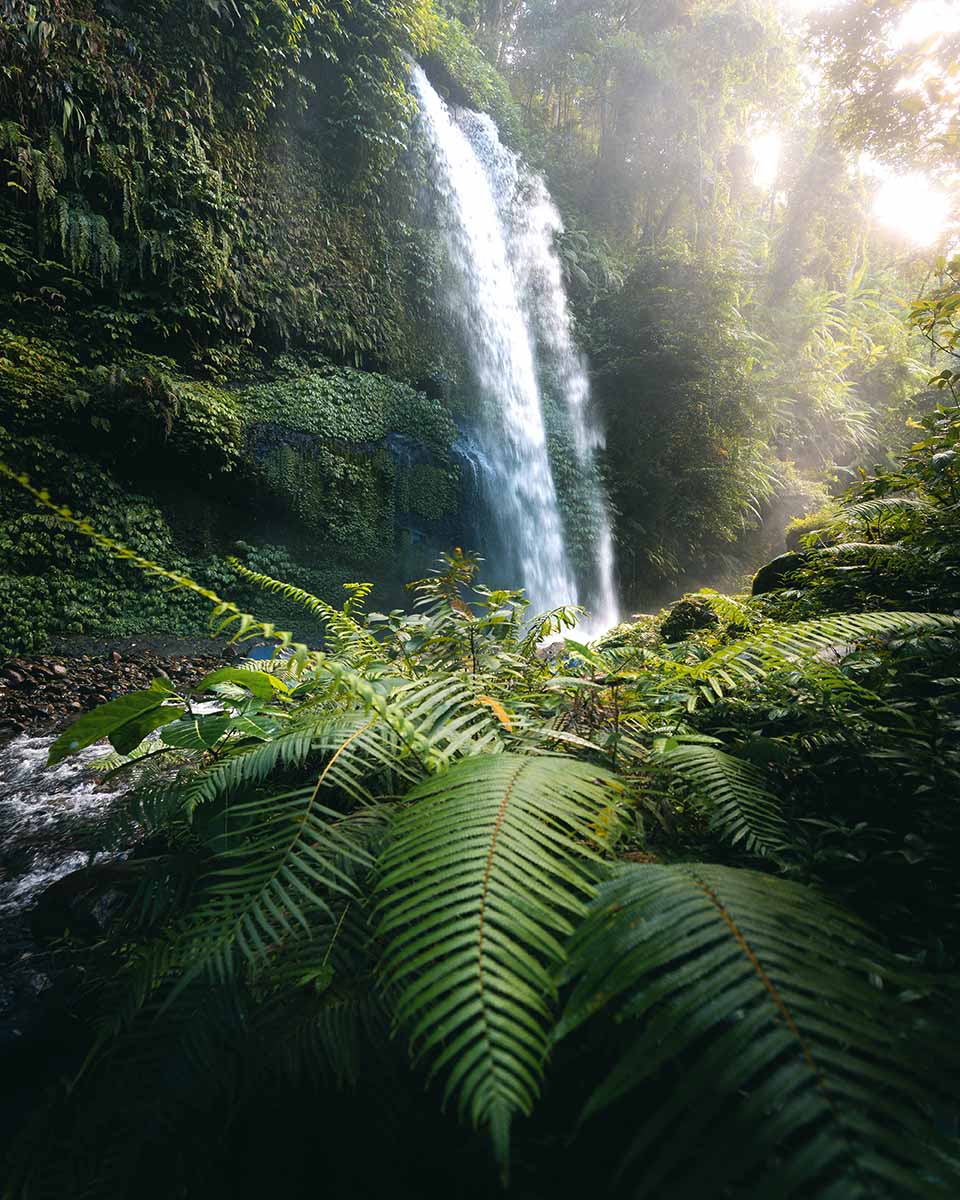
Lombok’s geography is equally diverse. The island is known for its striking contrast in landscapes. Mountains and lush forests dominate the northern part, while the western part is the greenest and most humid. As you move eastward, the island becomes progressively drier, and agriculture shifts from rice cultivation to corn and sago production.
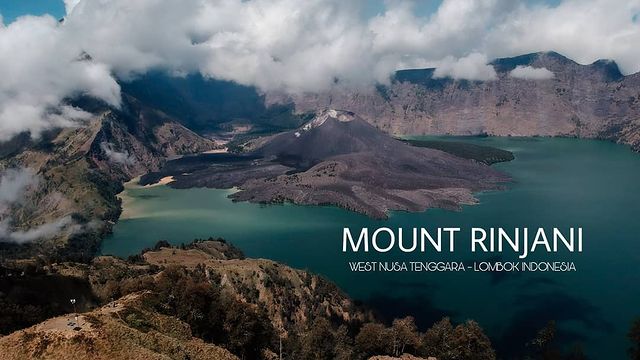
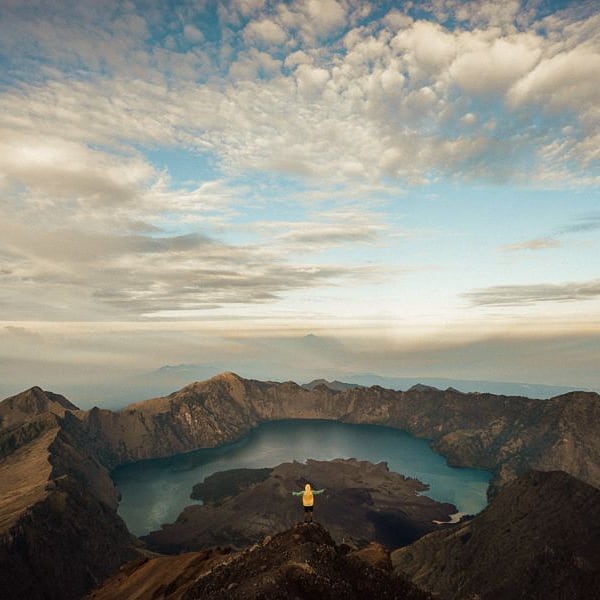
The island’s centerpiece is Mount Rinjani, which stands at 3,726 meters and is Indonesia’s third-highest volcano. Still an active volcano, it erupted most recently in 2004. The mountain is sacred for the Sasak and Balinese people, and both groups make an annual pilgrimage to the summit. The area around the mountain features several sulfuric lakes, believed to have curative properties, making it a popular destination for trekkers.
Mataram and Lombok’s Urban Centers
The capital city of Mataram, along with the old port towns of Ampenan and Cakranegara, forms the largest urban area in the province of West Nusa Tenggara. These cities are home to a vibrant mix of cultures influenced by the island’s Hindu-Balinese and Muslim communities.
Nearby, Sweta is known for its sizeable traditional market, which is particularly famous for selling birds. For a taste of conventional Lombok life, villages such as Sukarara (known for its weaving) and Penujak and Banyu Mulek (renowned for their pottery) offer visitors a glimpse into local craftsmanship.
Beautiful Beaches and Coastal Attractions
Lombok is renowned for its stunning beaches, many of which remain unspoiled and less developed than the beaches of Bali. Kuta Beach, located on the south coast, is often called Lombok’s answer to Bali’s famous Kuta. This stretch of pristine white sand is safe for swimming, and the surrounding area offers excellent opportunities for surfing, especially at Tanjung A’an.
The island is also famous for its surfing and windsurfing spots, especially along the western coast. Kuta Beach hosts the Nyale Festival each year on the 19th day of the 10th month of the Sasak lunar calendar. The festival celebrates the arrival of the Nyale fish, which surface at this time and is marked by traditional ceremonies.
For a more luxurious experience, Senggigi Beach is Lombok’s premier resort area. It offers many accommodations and excellent offshore coral reefs, perfect for snorkeling and diving.
The Gili Islands
The Gili Islands—Gili Trawangan, Gili Meno, and Gili Air—are small islands off Lombok’s northern coast. These idyllic islands are a popular destination for backpackers and nature lovers, known for their vibrant coral gardens and crystal-clear waters. Gili Trawangan is the largest and most developed of the three, while Gili Air is the closest to the mainland and can be reached in about 15-20 minutes by boat.
The Gili Islands are best explored by traditional boat, with Gili Trawangan offering stunning views of Lombok’s Mount Rinjani. The islands’ coral gardens and diverse marine life make them a top destination for snorkelers and divers.
Pottery and Traditional Crafts
Lombok is also known for its pottery, particularly from the villages of Banyumulek, Masbagik Timur, and Penujak. Pottery has been a vital part of Lombok’s culture since the decline of the Majapahit Hindu Kingdom in the early 16th century. The pottery produced here is entirely handmade, with the finished items used for food storage, cooking, and other daily activities.
The Lombok Craft Project, initiated in 1988 in collaboration with the Indonesian and New Zealand governments, has provided technical and marketing assistance to local potters. The local clay used in the pottery, which turns a rich brown after firing, is food-safe and has been certified by the New Zealand Department of Scientific and Industrial Research. These intricate, hand-crafted pots are highly valued worldwide for their beauty and durability.
Nearby Islands
Lombok is part of a vast and culturally diverse region. To the west, Sumbawa is home to Mount Tambora, which erupted in the 18th century, devastating the local population. To the east, Flores is famous for its Catholic heritage and Ikat weaving, while the Komodo Islands are home to the Komodo Dragon, the world’s largest living lizard.
The region’s diverse cultures, from the Catholic villages of Flores to the traditional shark-hunting villages of Lamalera, create a rich and varied tapestry of traditions. Visitors to these islands can explore unspoiled beaches, pristine coral reefs, and unique cultural heritage, making Nusa Tenggara an exciting region for travelers.
Conclusion
Lombok is a land of striking contrasts, from the lush greenery of its mountains and volcanoes to the dry savannas of its eastern regions. The island’s diverse culture, blending Islamic, Hindu, and Balinese influences, creates a rich and fascinating historical tapestry. With its beautiful beaches, lively traditional markets, and ancient traditions, Lombok offers something for everyone, making it an increasingly popular destination in Indonesia. Whether trekking to Mount Rinjani, exploring the Gili Islands, or experiencing local craftsmanship, Lombok promises an unforgettable experience.