Rinjani Zero Waste
Rinjani Zero Waste: Protecting Indonesia’s Iconic Volcano and Its Environment
Mount Rinjani, an active volcano on the island of Lombok, Indonesia, is one of Southeast Asia’s most popular trekking destinations. Known for its stunning landscapes, rich biodiversity, and cultural significance, Rinjani attracts thousands of hikers each year. However, the growing number of visitors is creating an environmental challenge: waste management.
In response, the “Rinjani Zero Waste” initiative has been introduced to help preserve the mountain’s natural beauty and ecosystems. By promoting sustainable practices and responsible tourism, the goal is to reduce pollution, protect local communities, and ensure that future generations can enjoy Rinjani’s splendor.
Why Clean-Up Alone Isn’t Enough
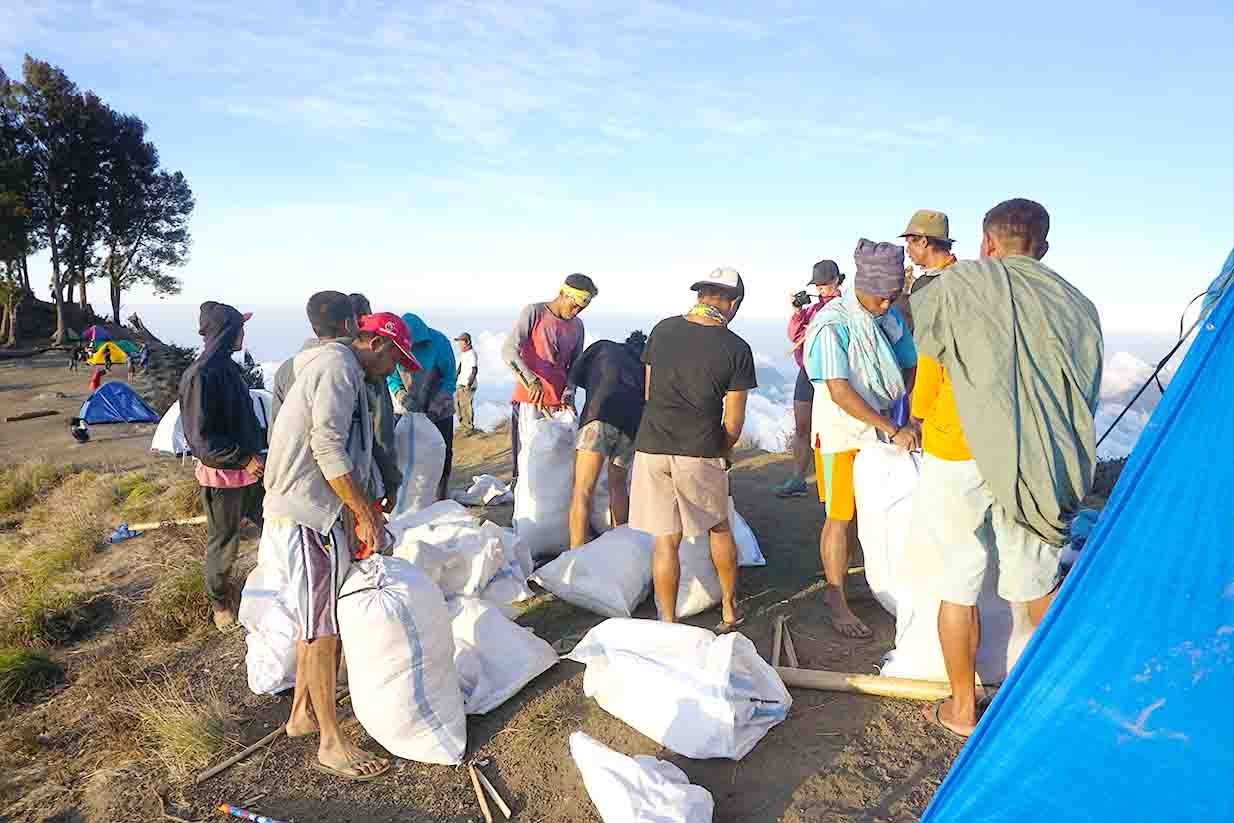
Clean-up efforts are essential but not a long-term solution for waste management on Rinjani. Despite large-scale clean-up initiatives, the issue persists. In 2021, for example, a major clean-up event removed 1.6 tons of waste from the Rinjani campsite, but within days, new trash reappeared in the same spots.
This cyclical problem demonstrates why clean-up alone isn’t enough. Instead, a shift towards proactive, sustainable practices is key to long-term waste management.
How Can You Trek Sustainably?
To minimize waste while trekking, planning and preparation are crucial. Many trekkers rely on disposable items for convenience, such as plastic bottles, wrappers, and energy bar packaging. While these may seem practical, they contribute significantly to waste accumulation, particularly on Mount Rinjani.
Here are some practical tips to help you reduce your environmental impact during your trek:
1. Bring Reusable Water Bottles Tip: Carry a reusable water bottle and refill it along the trail.
Why It Matters: Single-use plastic bottles are a major source of waste. Refill stations are often available on the trail.
2. Use Biodegradable Soap Tip: Choose biodegradable soap and toothpaste for washing up.
Why It Matters: Regular soaps contain harmful chemicals that can damage the local ecosystem.
3. Pack Reusable Food Containers Tip:
Use reusable containers instead of single-use packaging for your food. Bring your own bags when buying from local shops.
Why It Matters: This reduces the amount of plastic waste generated from food packaging.
4. Avoid Disposable Cutlery Tip:
Bring your own reusable utensils or spork instead of using disposable plastic cutlery.
Why It Matters: Plastic cutlery is often discarded and contributes to waste.
5. Proper Trash Disposal Tip:
Always take your trash with you. Use ziplock or trash bags to carry your waste until you can dispose of it responsibly.
Why It Matters: Leaving trash behind harms wildlife and the environment.
6. Buy Local and Reduce Packaging Tip:
Buy unpackaged food from local vendors. Support eco-friendly local businesses whenever possible.
Why It Matters: This reduces both packaging waste and the carbon footprint of transporting packaged goods.
7. Bring a Reusable Trash Bag Tip Rinjani Zero Waste:
Carry a trash bag to collect any waste you find along the trail—not just your own.
Why It Matters: It helps you be mindful of the environment and keeps the trail clean for others.
8. Use Eco-Friendly Toiletries Tip:
Opt for plastic-free toiletries like bamboo toothbrushes, shampoo bars, and compostable toilet paper.
Why It Matters: Traditional toiletries often come in harmful plastic packaging, which is difficult to dispose of in remote areas.
9. Leave No Trace Tip:
Follow Leave No Trace principles by respecting nature, staying on designated paths, and avoiding disturbing wildlife.
Why It Matters: Protecting the environment ensures its beauty is preserved for future generations.
10. Educate Yourself and Others Tip Rinjani Zero Waste:
Learn about sustainable travel practices and share them with fellow trekkers.
Why It Matters: Awareness is key to creating a culture of responsible tourism and reducing environmental impact.
The Rinjani Zero Waste Philosophy
The Rinjani Zero Waste philosophy is about minimizing waste by reducing consumption, reusing materials, and recycling. Applied to trekking, this philosophy involves making conscious choices to protect the mountain’s fragile ecosystem. Here’s how it works:
Reduce Consumption: Avoid bringing unnecessary disposable items like plastic bottles and excessive packaging.
Reuse and Repurpose: Use refillable bottles, reusable containers, and sustainable gear. Repurpose any items that can’t be reused.
Recycle: If possible, sort waste for recycling, especially plastics, metals, and papers. Ensure non-biodegradable waste is disposed of properly.
Compost: Food scraps can be composted instead of left in the environment, where they can take years to decompose.
How the Rinjani Zero Waste Movement Works
The success of the Zero Waste initiative depends on coordinated efforts from multiple stakeholders:
Collaboration with Authorities: The Indonesian government and the Rinjani National Park Authority have made strides in improving waste management on the mountain, including the introduction of waste segregation bins and regular clean-up efforts.
Education and Awareness: Tour operators, guides, and local communities work together to spread awareness about sustainable trekking practices. Many companies now offer eco-friendly tours focused on waste reduction.
Waste-Free Trekking Packages: Eco-conscious operators provide waste-free trekking packages, which include sustainable gear, reusable food containers, and water refill stations.
Volunteer Clean-Up Initiatives: Local environmental groups and volunteers regularly conduct clean-up campaigns to remove litter and restore campsites and trails to their natural state.
Incentives for Responsible Tourists: Some initiatives offer rewards or recognition for trekkers who adhere to Zero Waste practices, such as bringing down their trash or sharing educational materials.
Benefits of Rinjani Zero Waste
Adopting Zero Waste practices brings numerous benefits for the environment, local communities, and tourism:
Preserving Biodiversity: Reducing waste helps protect the fragile ecosystem around Rinjani and its endemic species.
Supporting Local Communities: A cleaner environment improves the living conditions of local communities and creates eco-tourism jobs for guides, porters, and businesses.
Sustainable Tourism: Zero Waste practices ensure Rinjani remains a top destination for future generations of trekkers, balancing enjoyment of nature with its preservation.
Raising Awareness: The Rinjani Zero Waste initiative sets an example for other destinations in Indonesia and beyond, promoting responsible travel and environmental stewardship.
By adopting these practices and embracing the Zero Waste philosophy, you can help keep Mount Rinjani clean, protect its stunning natural beauty, and ensure it remains a thriving destination for future trekkers.