Mount Rinjani Trekking Information
Comprehensive Guide to Mount Rinjani: Essential Information & Trekking Tips
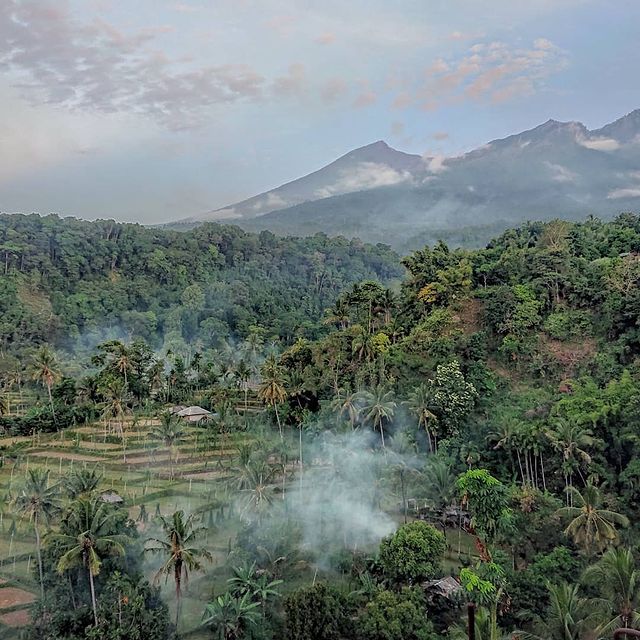
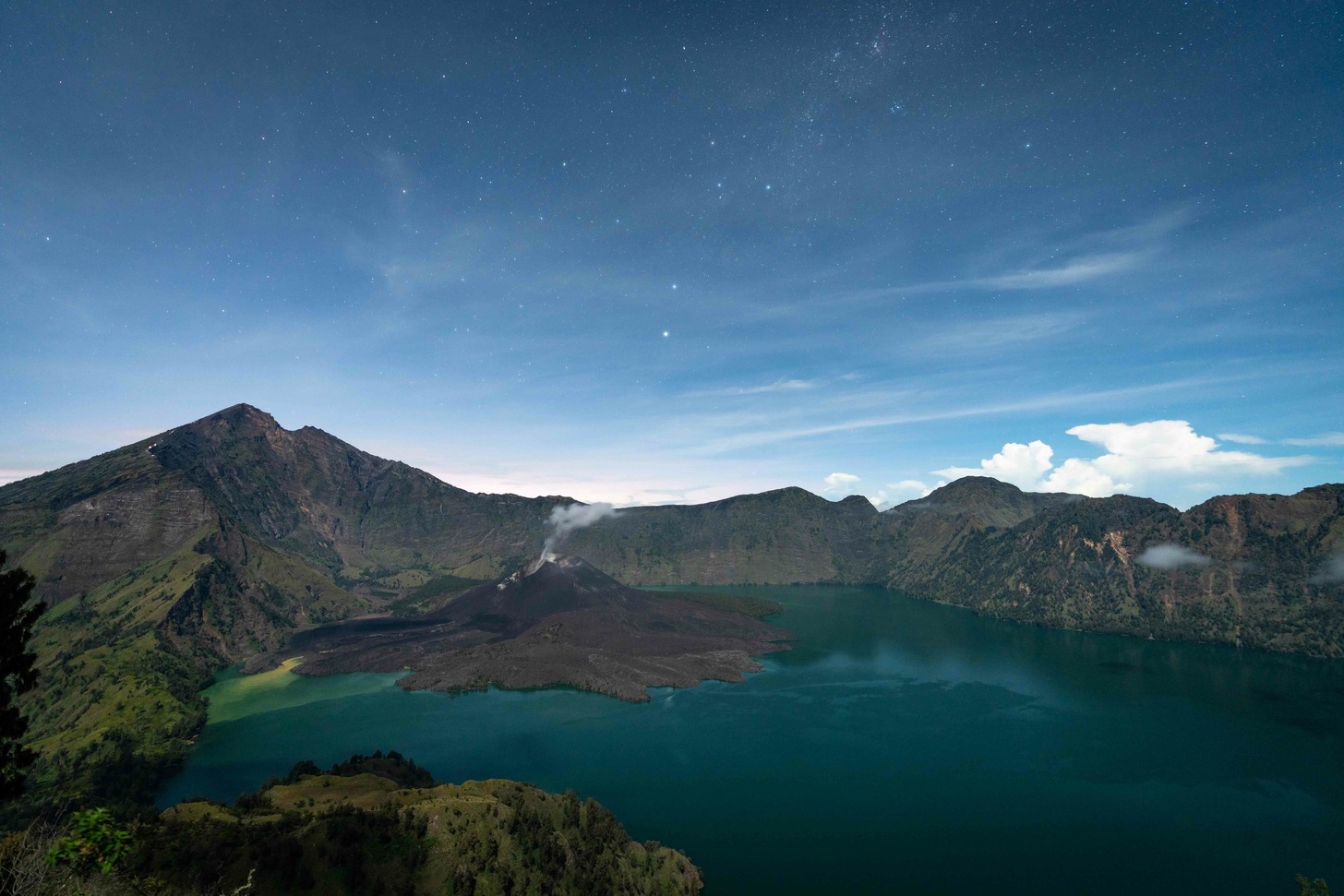
Mount Rinjani, standing at 3,726 meters, is the second-highest volcano in Indonesia and a must-visit destination for trekking enthusiasts. Located on Lombok Island, this active volcano offers breathtaking landscapes, a stunning crater lake (Segara Anak), and diverse trekking routes that cater to different experience levels. However, climbing Rinjani requires careful planning and preparation to ensure a safe and enjoyable experience.
Essential Information About Mount Rinjani
1. Location and Accessibility
Mount Rinjani is situated within the Gunung Rinjani National Park in Lombok, West Nusa Tenggara. The main access points for trekking are:
-
Sembalun Village (best for summit seekers)
-
Senaru Village (scenic forest trails)
-
Torean Village (less crowded with beautiful canyon views)
The nearest airport is Lombok International Airport (LOP), and from there, travelers can take a car or bus to the trekking start points.
2. Best Time to Visit
The optimal trekking season is April to December when the weather is dry, providing clear views and safer trails. The park is usually closed from January to March due to heavy rainfall and dangerous conditions.
3. Required Permits
All trekkers must obtain a permit from the Rinjani National Park Authority. Permits are usually included in guided trekking packages and help with conservation efforts.
Things to Consider Before Trekking Mount Rinjani
1. Physical Fitness & Preparation
Trekking Mount Rinjani is physically demanding. It involves steep climbs, rocky terrains, and long hiking hours. It is advisable to:
-
Engage in cardio exercises (running, cycling, hiking) at least a month before trekking.
-
Strengthen leg muscles with squats, lunges, and stair climbing.
-
Practice carrying a backpack with weights to simulate the trek.
2. Essential Trekking Gear
Packing the right equipment is crucial for a successful trek. Here are the must-have items:
-
Clothing: Layered clothing for varying temperatures, waterproof jacket, gloves, and thermal wear.
-
Footwear: Sturdy hiking boots with good grip.
-
Camping Gear: If not provided by tour operators, bring a tent, sleeping bag, and mat.
-
Navigation Tools: Map, compass, and flashlight.
-
Food & Water: High-energy snacks and a refillable water bottle.
-
First Aid Kit: Bandages, antiseptic, personal medications, and altitude sickness pills.
3. Hiring a Guide & Porter
Hiring a local guide and porter is highly recommended, as they provide navigation assistance, carry supplies, and enhance safety. Many trekking agencies offer all-inclusive packages covering permits, meals, camping equipment, and experienced guides.
4. Weather Conditions & Altitude Sickness
-
Temperatures can drop to 5°C (41°F) or lower at the summit.
-
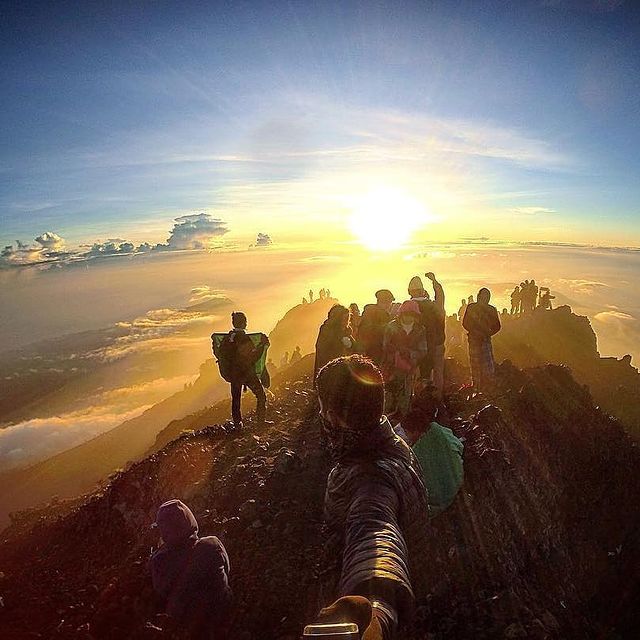
The summit climb is particularly strenuous due to loose volcanic sand.
-
Altitude sickness is a concern; acclimatization and hydration are key.
5. Environmental Responsibility
Mount Rinjani is a UNESCO-listed geopark, and responsible trekking practices are essential:
-
Leave No Trace: Carry out all trash and minimize environmental impact.
-
Respect Local Culture: Follow local customs and respect religious sites around the crater lake.
-
Avoid Wildfire Hazards: Follow park regulations regarding fire safety.