Mount Rinjani Preparation Guide
Mount Rinjani Preparation Guide
Preparing for a trek up Mount Rinjani is an exciting and essential part of ensuring a safe and enjoyable adventure. This guide will walk you through what you need to know about the equipment we provide, as well as what you need to bring with you to make your trek comfortable and stress-free. By taking the time to prepare properly, you’ll be able to fully immerse yourself in the beauty of the mountain and enjoy the experience to the fullest.
Equipment Provided During the Trek
To ensure your comfort and safety during the trek, we provide high-quality camping and trekking equipment. Here’s what will be supplied:
Tents – We use high-quality, well-maintained tents, replaced regularly every season.
Warm Sleeping Bag – Each sleeping bag is thoroughly cleaned and sanitized after every trip.
Comfortable Sponge Mattress – Providing a restful night’s sleep on the mountain.
Pillow – For added comfort during your rest.
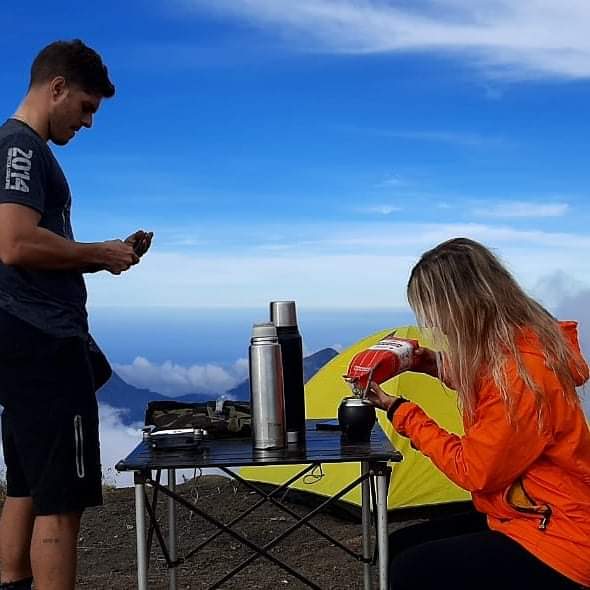
Camping Chair & Table – To make meals and breaks more comfortable.
Toilet Tent and Toilet Paper – Ensuring hygiene during your stay.
Portable Toilet (optional, additional charge) – For extra comfort when camping.
Cooking Gear – Full set of cooking equipment for preparing meals.
Flysheet – For added protection from rain and wind.
What You Should Bring
To ensure your trek is as comfortable and enjoyable as possible, here’s a comprehensive list of personal items you should prepare and pack.
Clothing & Gear
Torch or Flashlight – Essential for early morning or late-night treks.
1 Pair of Trekking Shoes – Choose shoes with good grip, ideally waterproof and broken in.
Socks – Comfortable, moisture-wicking socks to avoid blisters.
Toiletries – Bring what you need for personal hygiene.
Sun Block/Lotion – Protect your skin from the harsh mountain sun.
Spray for Muscle Relief/Balm – To soothe sore muscles during and after trekking.
Insect Repellent – To avoid insect bites, particularly at lower elevations.
Camera or Handy Cam – Capture the incredible views and memories.
Small Towel – For drying off or wiping sweat.
2-3 T-shirts – Lightweight and breathable, one for each day of trekking.
1 Pair of Shorts – Maximum for two days in the dry season.
Raincoat – Essential for sudden weather changes.
Long Trekking Pants – Windproof options are a great choice.
Warm Jacket & Sweater – For colder evenings and summit night.
Gloves, Gaiters, Winter Hat, and Sun Hat – These will help you stay comfortable in varying temperatures.
Mountain Buff – Protect your neck and face from dust, sun, and cold.
Trekking Poles (optional) – Available for rent, please request in advance.
Sandals (optional) – Useful for relaxing at the campsite.
Swimming Suit – For the hot spring or lake if available on your trek.
Binoculars (optional) – Perfect for birdwatching or wildlife spotting.
Extra Trail Snacks – We provide fruits and meals, but having a personal snack can be helpful.
Fishing Gear (optional) – For longer treks with lake stops.
Garbage Plastic Bag – To carry out your waste, helping to keep the mountain clean.
Important Notes:
Day Pack Weight Limit: Keep your day pack under 8kg to avoid strain and ensure comfort during the hike.
Trekking Guide: Hiring a certified mountain guide is compulsory. A guide can manage up to 4 people per group. For larger groups, we provide additional guides.
Trekking Shoes: Ensure you have sturdy trekking shoes with a good grip and are broken in to avoid blisters.
Toe Nails: Trim your toenails before the trek to prevent nail bruising or discomfort during the climb.
Trekking Poles: Available for rent at our office, but please reserve them in advance.
Health Check: Make sure you're in good health for the trek. Authorities will check your fitness during registration.
Copy of Passport: Send a copy of your passport to our team for ticket booking purposes.
Cash: There are no ATMs near the trekking area, so bring extra cash for your trip.
What to Do During the Trek
Once on the trail, follow these helpful tips for a smooth and enjoyable trekking experience.
Shoes: Wear comfortable, well-fitting trekking shoes with a good grip.
Sun Protection: Apply sunblock before you begin each day’s trek.
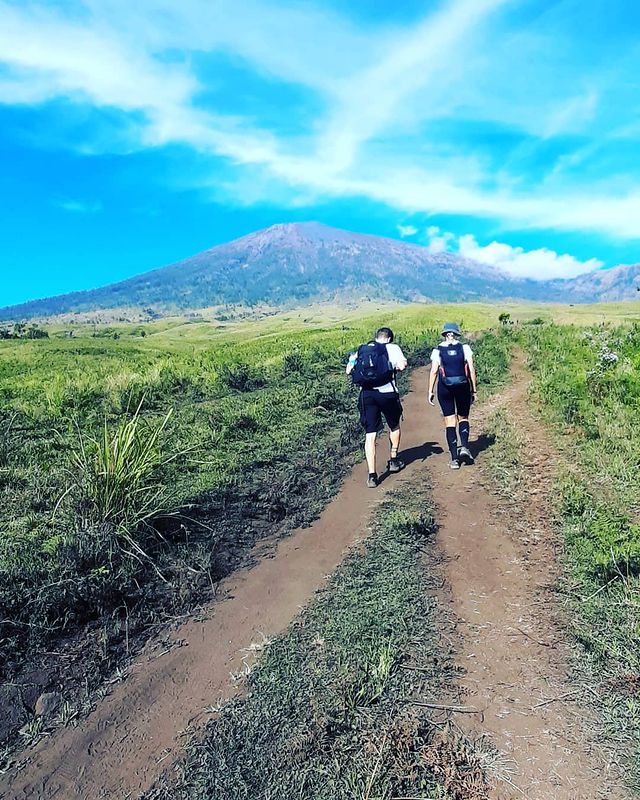
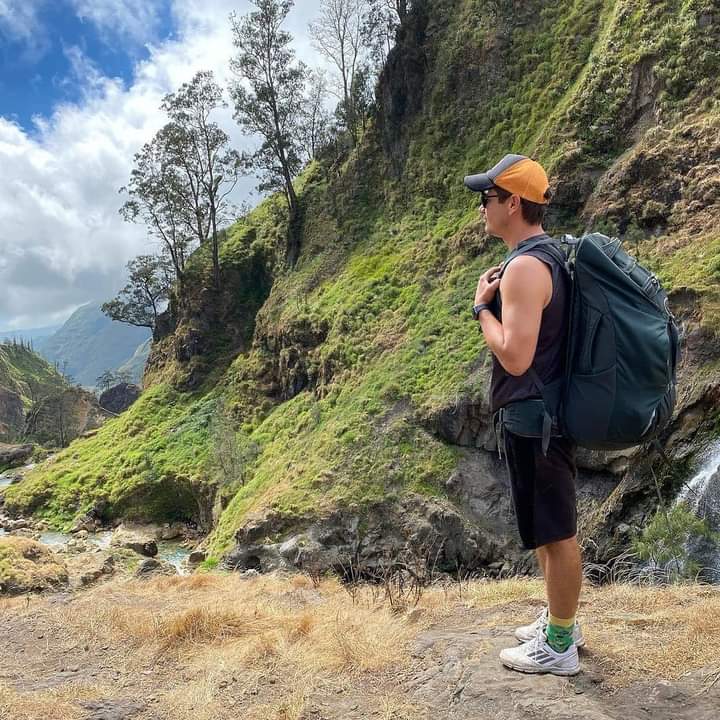
Clothing: During the day, wear lightweight clothing such as shorts and long sleeves for comfort. At higher altitudes, switch to long pants and a jacket to keep warm.
Water: Carry 1.5 liters of water at the start of each day. Our guides and porters will provide more water along the way, but feel free to ask for extra when needed. We only use bottled mineral water, never spring water.
Meals: All meals (breakfast, lunch, and dinner) will be prepared by our team, offering fresh, delicious food. We serve a variety of meals to keep your energy levels up throughout the trek.
Shampoo: Avoid using shampoo at the lake or hot spring to protect the environment.
Trash: Please bring back all your waste, or help collect litter along the trail. By doing so, we can ensure Mount Rinjani remains a clean and beautiful place for future visitors.
Comfortable Clothing: Ensure your clothing allows for freedom of movement. Denim jeans are not recommended.
Final Thoughts on Preparation
Proper preparation is the key to a successful and enjoyable Mount Rinjani trek. By packing the right equipment, staying hydrated, and following the suggested guidelines, you’ll be ready for the adventure ahead. Make sure to double-check everything before the trek and feel free to reach out if you have any questions. We want to ensure you have an amazing experience while respecting and preserving the natural beauty of this iconic mountain.